
Rameswaram: A Complete Travel Guide to the Sacred Island of Lord Shiva
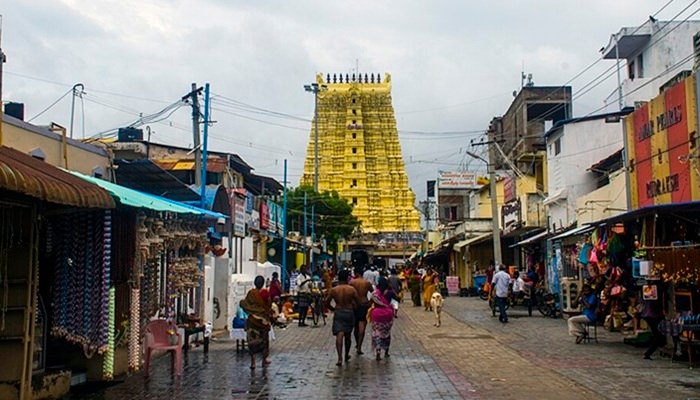
Rameswaram is one of the most spiritually significant destinations in India, revered by millions of devotees and admired by travelers for its unique geography, architecture, and sacred traditions. Located on Pamban Island in Tamil Nadu, Rameswaram holds a special place in Hinduism as one of the Char Dham pilgrimage sites and as the home of the famous Ramanathaswamy Temple, one of the twelve Jyotirlingas of Lord Shiva.
Beyond its religious importance, Rameswaram offers a serene coastal atmosphere, historical depth, and cultural richness that make it an essential destination for spiritual seekers and curious travelers alike. This guide provides a complete, practical, and friendly overview of Rameswaram, including its significance, history, places to visit, travel tips, and best time to plan your journey.
Spiritual Significance of Rameswaram
Rameswaram is deeply connected to the epic Ramayana. According to Hindu belief, Lord Rama worshipped Lord Shiva here to absolve himself of the sin of killing Ravana, a Brahmin king. It is believed that Rama instructed Hanuman to bring a Shiva lingam from Mount Kailasa, but due to a delay, Sita installed a lingam made of sand. This lingam, known as the Ramalingam, is worshipped first even today.
Like Varanasi, which is considered the spiritual capital of India, Rameswaram is also believed to grant moksha (liberation) to devotees. Pilgrims believe that a visit to Rameswaram and a holy bath in its sacred waters help cleanse sins and bring spiritual peace.
Rameswaram is also associated with both Shaivism and Vaishnavism, making it a rare spiritual center respected by followers of both traditions. Similarly, sacred sites such as Kedarnath in North India and Tirupati in South India play vital roles in shaping India’s pilgrimage landscape, connecting devotees through faith, devotion, and ancient traditions.
Ramanathaswamy Temple: Architectural and Religious Marvel
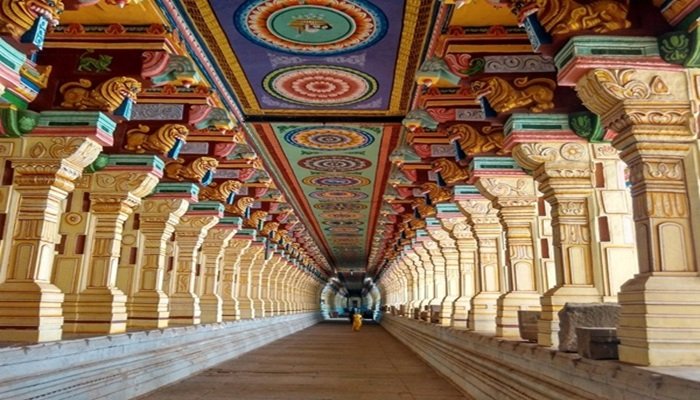
The Ramanathaswamy Temple is the heart of Rameswaram. Dedicated to Lord Shiva, the temple is renowned for having the longest temple corridors in the world, supported by thousands of intricately carved stone pillars.
Key highlights of the temple:
- One of the 12 Jyotirlingas of Lord Shiva
- Sacred 22 theerthams (holy water wells) inside the temple
- Majestic gopurams (temple towers)
- A blend of Dravidian architectural excellence and spiritual symbolism
- Pilgrims traditionally take a ritual bath in the 22 theerthams before darshan, as each well is believed to remove specific sins.
22 Theerthams: Ritual Bathing Tradition
Bathing in the sacred waters of Rameswaram is considered an essential ritual. These theerthams are located both inside and outside the temple complex.
Notable theerthams include:
- Agni Theertham – Located near the sea, taken before temple entry
- Mahalakshmi Theertham
- Savithri Theertham
- Gayathri Theertham
Pilgrims are advised to follow temple instructions and maintain discipline during the ritual process.
Important Places to Visit in Rameswaram
1. Agni Theertham

Located just opposite the Ramanathaswamy Temple, Agni Theertham is a sacred sea shore where devotees take a holy dip before temple darshan.
2. Dhanushkodi
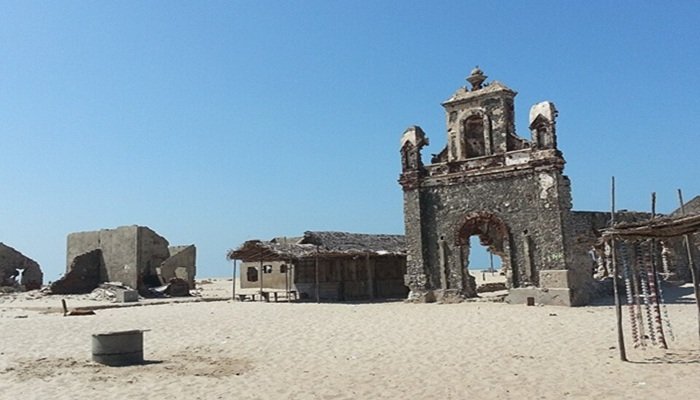
Dhanushkodi is a ghost town at the southeastern tip of Pamban Island. Known for its mystical beauty and historical tragedy, it is believed to be the place where Lord Rama built the bridge to Lanka. The town was destroyed in a cyclone in 1964, and today it stands as a haunting yet beautiful destination.
3. Pamban Bridge
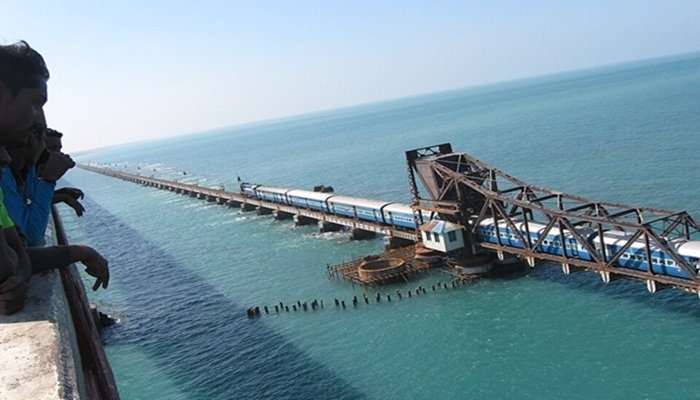
The iconic Pamban Bridge connects Rameswaram to mainland India. It is one of the oldest sea bridges in the country and offers breathtaking views of the ocean, especially during sunrise and sunset.
4. Gandhamadhana Parvatham
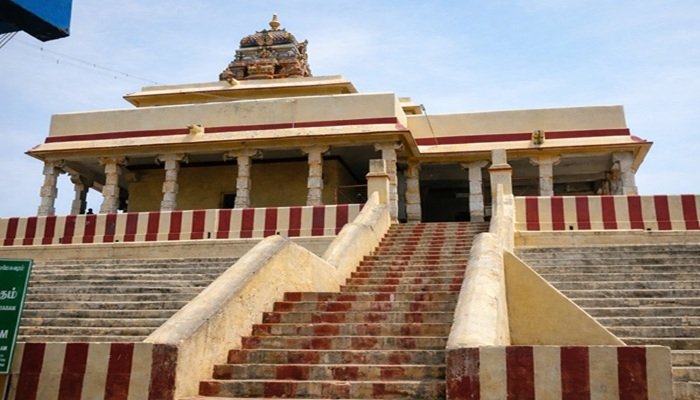
This small hillock houses a temple with Lord Rama’s footprint (believed). It also offers panoramic views of the island.
5. Abdul Kalam Memorial
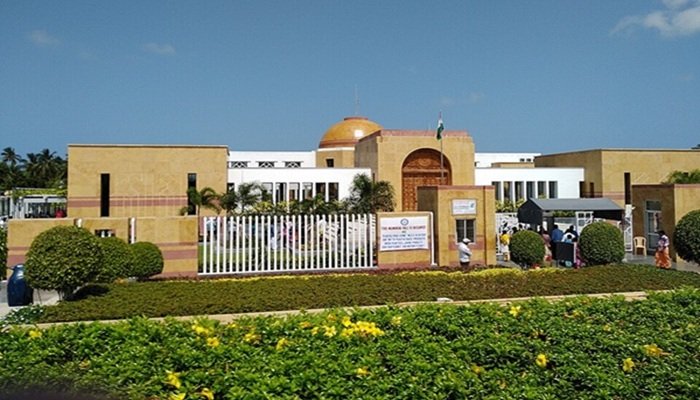
Dedicated to Dr. A.P.J. Abdul Kalam, former President of India, this memorial showcases his life, achievements, and contributions to the nation.
Tips for Pilgrims and Travelers
A visit to Varanasi is more comfortable when travelers are aware of local customs and practical considerations. Wearing modest clothing helps maintain respect in religious spaces. Early mornings are usually calmer and suitable for exploration, especially near the ghats. Keeping personal belongings secure in crowded areas is advisable. Visitors should also remain patient during peak hours, as the city attracts large numbers of pilgrims throughout the year.
Frequently Asked Questions
1. Why is Kashi Vishwanath Temple so important?
Kashi Vishwanath Temple is one of the twelve Jyotirlingas of Lord Shiva and is considered one of the most sacred temples in Hinduism. Devotees believe that worshipping here brings spiritual peace and liberation.
2. What is the best time to visit Kashi Vishwanath Temple?
Early morning hours are considered ideal for visiting the temple, as the atmosphere is calmer and suitable for spiritual practices.
3. Why is Dashashwamedh Ghat famous?
Dashashwamedh Ghat is famous for the grand Ganga Aarti performed every evening. This ritual is one of the most organized and visually powerful river worship ceremonies in India.
4. Can visitors watch the Ganga Aarti from boats?
Yes, visitors can watch the Ganga Aarti either from the ghat steps or from boats arranged on the River Ganga.
5. What makes Assi Ghat special?
Assi Ghat is known for its peaceful environment, especially during early mornings. It is popular for yoga sessions, meditation, and simple rituals, making it ideal for those seeking calm and reflection.
6. Why is Manikarnika Ghat significant?
Manikarnika Ghat holds deep spiritual significance in Hindu belief systems and is traditionally associated with final rites. It represents ancient philosophies related to life, impermanence, and liberation.
7. What is the importance of Sarnath?
Sarnath is a major Buddhist pilgrimage site where Lord Buddha delivered his first sermon after attaining enlightenment. It marks the beginning of Buddhist teachings.
8. Which monument is most famous in Sarnath?
The Dhamek Stupa is the most famous monument in Sarnath and stands as a symbol of peace, wisdom, and Buddhist heritage.