Explore Varanasi – Spiritual Capital of India

Varanasi stands as a living symbol of India’s spiritual soul. Known locally as Kashi or Banaras, this ancient city has witnessed centuries of devotion, learning, and cultural evolution. Life in Varanasi unfolds along the banks of the Ganga, where daily rituals, prayers, and centuries-old traditions continue without interruption. Located along the sacred River Ganga, Varanasi is believed to be a place where life and liberation meet. Pilgrims arrive here to perform rituals, seek blessings, and experience traditions that have remained unchanged for generations. Beyond temples and ghats, the city offers an atmosphere that deeply touches the mind and spirit, making every visit a meaningful journey rather than a simple trip.
Varanasi is one of the holiest cities in India. Varanasi is home to major pilgrimage centers in South India such as Tirupati, which is famous for the Sri Venkateswara Temple. And Rameshwaram is also one of the holiest pilgrimage destinations.
For Himalayan spiritual experiences, pilgrims combine Varanasi with Kedarnath Yatra.
Best Time to Visit Varanasi
Choosing the right season can greatly improve your experience in Varanasi. The months from October to March are generally comfortable for walking along the ghats, attending temple rituals, and exploring the city on foot. During this period, the weather remains cooler and more suitable for long hours of sightseeing. Summers can be physically tiring due to high temperatures, while the monsoon season brings occasional disruptions near the riverbanks. Travellers who enjoy festivals like Dev Deepawali, Mahashivratri, and Ganga Mahotsav are perfect times to experience the city’s spiritual grandeur.
How to Reach Varanasi
Varanasi is well-connected with major parts of India, making travel relatively convenient. The city has an international airport that handles regular domestic flights from several metropolitan cities. Rail connectivity is strong, with multiple long-distance trains arriving daily. For those who prefer road travel, state-run and private buses operate from nearby regions. Each mode of transport offers a different travel experience, allowing visitors to choose what best suits their schedule and comfort.
- By Air: Lal Bahadur Shastri International Airport connects Varanasi with major Indian cities.
- By Train: Varanasi Junction and Manduadih stations are well connected across India.
- By Road: Regular buses and taxis are available from nearby cities and states.
Places to Visit in Varanasi
Varanasi offers a diverse range of places that reflect its deep spiritual and cultural roots. Ancient temples, riverfront ghats, and quiet spiritual corners together shape the character of the city. Visitors often spend time at well-known ghats to observe rituals and daily life, while nearby historical and religious sites provide a peaceful contrast to the city’s lively streets. Exploring these locations at a relaxed pace allows travellers to understand the spiritual rhythm that defines Varanasi.
- Kashi Vishwanath Temple – One of the 12 Jyotirlingas of Lord Shiva
- Dashashwamedh Ghat – Famous for the grand Ganga Aarti
- Assi Ghat – A peaceful ghat for morning rituals and yoga
- Sarnath – Where Lord Buddha delivered his first sermon
- Manikarnika Ghat – Sacred cremation ghat symbolizing moksha
1. Kashi Vishwanath Temple
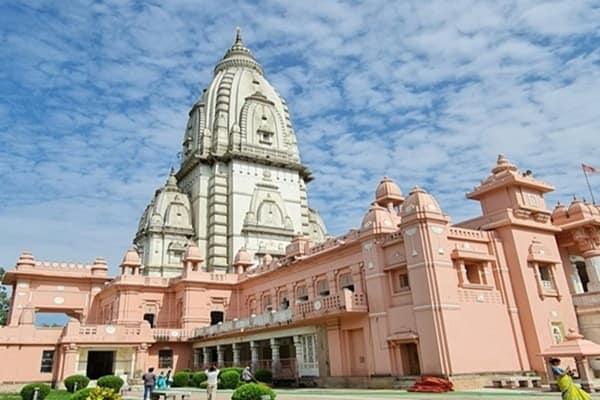
Kashi Vishwanath Temple is one of the holiest temples in Hinduism and is revered as one of the twelve Jyotirlingas of Lord Shiva. Situated in the sacred city of Varanasi, the temple holds deep spiritual importance for devotees who believe that worshipping here brings inner peace and liberation. The Jyotirlinga represents Lord Shiva in his eternal and infinite form. Over centuries, the temple has been rebuilt several times, yet its spiritual significance has remained unchanged. Today, Kashi Vishwanath Temple stands as a powerful symbol of faith, devotion, and India’s enduring spiritual heritage.
2. Dashashwamedh Ghat – Famous for the Grand Ganga Aarti
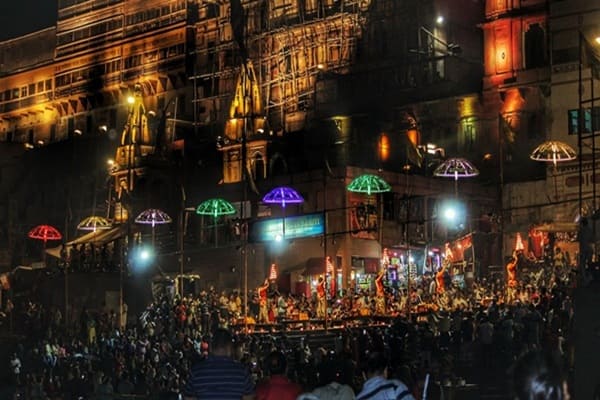
Dashashwamedh Ghat is the most prominent ghat in Varanasi and is especially famous for its grand Ganga Aarti held every evening. This daily ritual honours the sacred River Ganga through synchronised prayers, lamps, incense, and devotional chants performed by trained priests.
The ceremony attracts thousands of devotees and visitors who gather along the riverbanks or watch from boats. Beyond the aarti, the ghat remains active throughout the day with pilgrims performing holy dips and traditional rituals.
The spiritual energy, rhythmic chants, and glowing lamps create a powerful atmosphere, making Dashashwamedh Ghat one of the most memorable and spiritually enriching places in Varanasi.
3. Assi Ghat – A Peaceful Ghat for Morning Rituals and Yoga

Assi Ghat is one of the calms and most welcoming ghats in Varanasi, known for its serene atmosphere and spiritual simplicity. Located at the confluence of the River Ganga and the Assi stream, this ghat is especially popular during early mornings. Visitors gather here to participate in yoga sessions, meditation, and traditional rituals as the sun rises over the river. Unlike the more crowded central ghats, Assi Ghat offers a quieter space for reflection and mindfulness. The gentle flow of the river, soft chanting, and open surroundings create a soothing environment, making Assi Ghat an ideal place to begin the day with peace and spiritual balance.
4. Manikarnika Ghat – The Sacred Ghat of Liberation
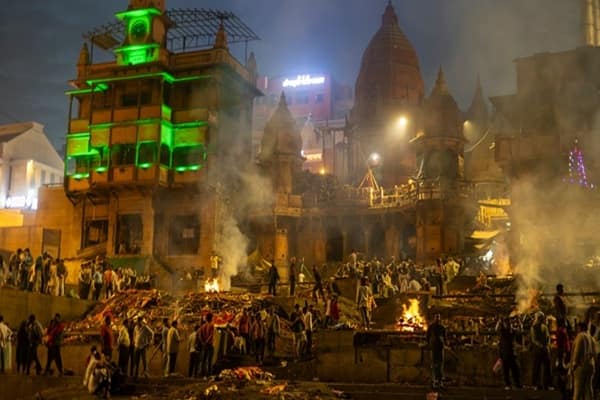
Manikarnika Ghat is one of the most spiritually significant ghats in Varanasi and holds deep importance in Hindu beliefs. It is known as a place where life and death are viewed as part of a sacred cycle. According to tradition, performing last rites at this ghat is believed to help the soul attain liberation. The ghat remains active throughout the day, reflecting the timeless rituals and philosophies associated with Varanasi. Despite its intense spiritual nature, Manikarnika Ghat offers a profound insight into Hindu views on existence, impermanence, and spiritual freedom, making it a deeply meaningful place to understand the soul of the city.
5. Sarnath – Where Lord Buddha delivered his first sermon
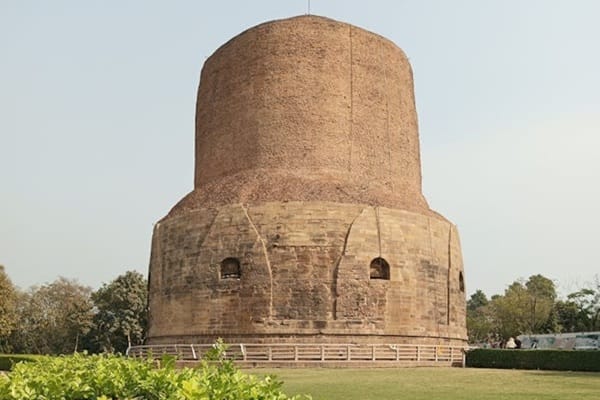
Sarnath is one of the most important Buddhist pilgrimage sites in India, located near the ancient city of Varanasi. It is the place where Lord Buddha delivered his first sermon after attaining enlightenment, marking the beginning of the Buddhist path. The site is home to several historic monuments, including the famous Dhamek Stupa, which stands as a symbol of peace and wisdom. Sarnath offers a calm and reflective environment, attracting visitors interested in history, spirituality, and Buddhist teachings. The well-maintained ruins, museums, and gardens make Sarnath a meaningful destination for both pilgrims and cultural travellers.
Tips for Pilgrims and Travelers
A visit to Varanasi is more comfortable when travelers are aware of local customs and practical considerations. Wearing modest clothing helps maintain respect in religious spaces. Early mornings are usually calmer and suitable for exploration, especially near the ghats. Keeping personal belongings secure in crowded areas is advisable. Visitors should also remain patient during peak hours, as the city attracts large numbers of pilgrims throughout the year.
Frequently Asked Questions
1. Why is Kashi Vishwanath Temple so important?
Kashi Vishwanath Temple is one of the twelve Jyotirlingas of Lord Shiva and is considered one of the most sacred temples in Hinduism. Devotees believe that worshipping here brings spiritual peace and liberation.
2. What is the best time to visit Kashi Vishwanath Temple?
Early morning hours are considered ideal for visiting the temple, as the atmosphere is calmer and suitable for spiritual practices.
3. Why is Dashashwamedh Ghat famous?
Dashashwamedh Ghat is famous for the grand Ganga Aarti performed every evening. This ritual is one of the most organized and visually powerful river worship ceremonies in India.
4. Can visitors watch the Ganga Aarti from boats?
Yes, visitors can watch the Ganga Aarti either from the ghat steps or from boats arranged on the River Ganga.
5. What makes Assi Ghat special?
Assi Ghat is known for its peaceful environment, especially during early mornings. It is popular for yoga sessions, meditation, and simple rituals, making it ideal for those seeking calm and reflection.
6. Why is Manikarnika Ghat significant?
Manikarnika Ghat holds deep spiritual significance in Hindu belief systems and is traditionally associated with final rites. It represents ancient philosophies related to life, impermanence, and liberation.
7. What is the importance of Sarnath?
Sarnath is a major Buddhist pilgrimage site where Lord Buddha delivered his first sermon after attaining enlightenment. It marks the beginning of Buddhist teachings.
8. Which monument is most famous in Sarnath?
The Dhamek Stupa is the most famous monument in Sarnath and stands as a symbol of peace, wisdom, and Buddhist heritage.